


How digitalization can change pediatric dentistry
Is digital dentistry the future of dentistry?
Digital dentistry is a concept getting more and more contour nowadays, due to the latest explosive technological growth and the need for fast and efficient treatments.
What is digital dentistry?
Digital dentistry refers to the use of dental technologies or devices that incorporate digital or computer-controlled components to carry out dental procedures rather than using mechanical or electrical tools.
Digitalisation can help dental medical staff and patients by increasing precision treatments, facilitating dental treatments and proposing new ways to meet rising patient demands.
Digitalisation can help doctors to increase patient confidence, reduce time of treatment and make the time spent on the dentist chair, if not a happy moment, at least a shorter and prolific one.
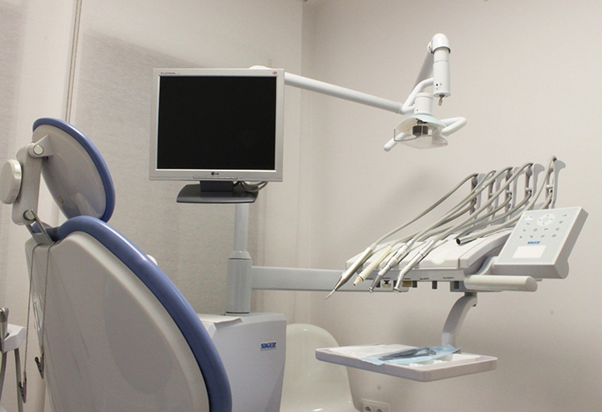
Image by Rubén González from Pixabay
How can digital dentistry help doctors and pediatric patients?
The explosive technological growth has led the medicine to a new era. Digitalisation was the next logical step in medicine and the advantages of using it have been rapidly seen by doctors and patients.
Digital dentistry is no longer a concept, but a reality that helps patients to receive modern treatments to traditional dental problems.
Modern digital solutions have proven applicability and usefulness in pediatric dentistry too, by helping practitioners in a more rapid diagnostic with digital radiography or using modern and non-invasive caries detection tools. Early detection of caries in primary teeth can prevent rapid teeth degradation and more complicated procedures.
Digital radiography is being stored in a computer, so it can be accessed using specific software that can help dentists do some image enhancement and processing, zoom a specific zone and see more details than ever.
Accessing radiography for a specific patient can be done more efficiently and rapidly and decrease the chances of losing it and request new radiography when it is not necessary.
Also, having digital radiography can increase collaboration between doctors and eliminate barriers of time and space. Using digital radiography you can ask any specialist from any part of the world a second opinion in no time.
Using images/pictures in different steps of treatment(extraoral and intraoral) can help doctors keep a visual record of treatment evolution and the patient dental evolution. Every step can be documented, recorded and then studied in any moment to observe the evolution of treatment, without a patient’s presence.
Optically based methods detect caries on changes in the specific optical properties. Caries detection can be improved by using a camera with quantitative light-induced fluorescence. Images are being stored, processed and porosity of dental structure can be detected. The caries process results in structural changes to the dental hard tissue and this region will have greater porosity than the surrounding tissue. The dental demineralisation can be seen studying processed images and intervention can be done much faster.
When it is not possible to detect early stage carries, use of digitalisation and computer power may help in less pain treatments in pediatric dentistry.
It is worth mentioning that computer controlled delivery of local anaesthetic or use of nitrogen protoxide for nitrous sedation can increase patient collaboration with medical staff.
The use of nitrous oxide in combination with oxygen produces a calming effect on the patient, who will no longer feel any sensation of fear. Pediatric dentistry patients no longer have to feel anxious during invasive treatment. A calm child during treatment is a happy child and a more collaborating patient.
Digitally-based surgery can help dentists better predict extractions and difficult surgeries. Using 3D imaging, computer planning and 3D printing surgeons can overcome the routine complications in dental surgical extraction procedures by having a better view and understanding of physical structure, and minimize postoperative bleeding, tissue laceration and pain. It can be used in maxillofacial surgery in children and teens too.
Digital patient education can be used to better educate child and adult patients. Using images, animated videos, 3D simulation, augmented reality can help patients understand effective methods of brushing and caring for teeth and also a better understanding of procedures applied during or after treatment.
Virtual reality(VR) is a new form of audiovisual distraction (AVD) used by clinicians during treatments for pediatric patients. It has been demonstrated that distraction offered by virtual reality is maintaining a lower heart rate and respiration rate during interventions.
In pediatric dentistry, different methods of distracting can be used to reduce pain and anxiety: listen relaxing music, watching animated videos on a screen(TV) or using virtual reality.
Audiovisual distraction during dental treatment is a simple and inexpensive way to facilitate cooperative behavior and achieve a high level of patient satisfaction for most children.
Limitations on digital dentistry may include cost, lack of desire to adapt to new dental technology, and misunderstanding of new technologies. Learn to accept digitalisation and technology in your practice and make your work and your patients life more easy.
So, what is stopping you from using digitalisation in your dental practise?
